Patterns for the office
Showing all 48 results
-

Alberto men’s sweatshirt – PDF sewing pattern from S to XXL
-

Amazilia skirt PDF pattern, sizes 32 to 52
-

Basic unisex sweatshirt, XS to 3XL, 2 body types – Grenade
-

CALI Trousers, sizes 30 to 58
-

Callisto dress/blouse PDF pattern, sizes 36 to 50
-

Coat – XS to L – Fluffy Love
-

Cross-over jumper, sizes 34 to 56, 4 body types – cinnamon
-

Cybèle jacket in sizes 36 to 50
-

Easy Busy short dress PDF pattern, sizes XS to XL
-

Eyra shirt PDF pattern, sizes 32 to 52
-

Ginger jacket PDF pattern, sizes 34 to 48
-

Ibaia skirt PDF pattern, sizes 32 to 52 (3 lengths)
-

Isatis blazer, sizes 32 to 52
-

Jacket – XS to XL – Chic Pick
-

Jennifer blouse PDF pattern from XS to XXXL
-

KAYLA blouse PDF pattern, sizes 30 to 58
-

Khoros jacket, sizes 36 to 50
-

Lopo polo shirt
-

Matcha blouse PDF pattern, sizes 36 to 50
-

Monet jacket
-

Mr Stilo men’s trousers PDF pattern, sizes XS to XL
-

Nemesis blouse PDF pattern, sizes 36 to 50
-

Orséis blazer, sizes 36 to 50
-

PDF pattern for ‘La Bourgeoisie’ blouse, sizes XS to L
-

PDF pattern for a short, straight-cut dress, sizes XS to L
-
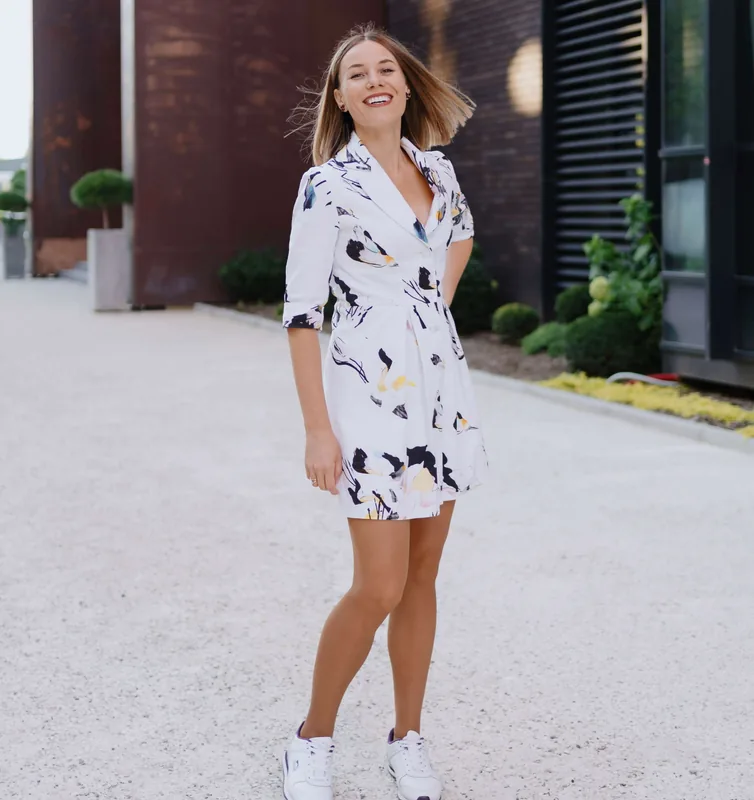
PDF pattern for the ‘Soulmate’ short jacket dress, sizes XS to XL
-

PDF pattern for the ‘Vivre la Confiance’ short dress, sizes XS to L
-

PDF pattern for the Aédé long buttoned dress, sizes 36 to 50
-

PDF pattern for the Astéria long slit skirt, sizes 36 to 50
-

PDF pattern for the Electric 80 short dress, sizes XS to XL
-

PDF pattern for the Hathor long skirt, sizes 36 to 50
-

PDF pattern for the Lucky Stripes shirt, sizes XS to XL
-

PDF pattern for the Sol blouse, sizes 36 to 50
-

PDF pattern for the Télès blouse, sizes 36 to 50
-

PDF pattern for the Théia blouse, sizes 36 to 50
-

PDF pattern for the Thémis straight dress, sizes 36 to 50
-

PDF pattern for women’s Q trousers, sizes 32 to 60
-

PDF pattern for women’s trousers, sizes 32 to 60
-

PDF sewing pattern for the ‘White Grape’ shirt dress / shirt, sizes 34 to 56
-

PDF sewing pattern for the Zoya women’s dress, sizes XXS to XL
-

Phoenix bomber jackets
-

Quetzal blouse PDF pattern, sizes 32 to 50
-

Shirt from XS to XXL – Jacomo
-

Suri trousers, sizes 30 to 58
-

The Lory jacket, sizes 32 to 52
-

Tote bag, 3 sizes – wild strawberry
-

Trousers – XXS/XL – Caramel Delight
-

Women’s cardigan, sizes 34 to 56, 4 body types – Jasmin
Sewing patterns for the office: putting together a bespoke professional wardrobe
Sewing your own work outfits solves a practical problem: off-the-peg standard-size clothing fails to cater for real body shapes, and well-cut office wear is expensive if you’re looking for something that will last. A well-chosen sewing pattern for the office allows you to build a professional wardrobe tailored to your own figure, in your chosen fabrics, often at a lower cost than a designer jacket bought in a shop.
Which pieces should you prioritise when putting together an office wardrobe
It all depends on the dress code in your workplace. A creative open-plan office doesn’t require the same items as an accountancy firm. But there is a common foundation: a structured blouse or shirt in viscose or Tencel (lightweight, washable at 30°C, crease-resistant during travel), a pleated or cigarette trouser in cotton gabardine or lightweight wool weighing between 200 and 280 g/m², and a fitted jacket worn on its own or layered. These three pieces alone allow for five to six cohesive outfits.
The straight or wrap dress deserves a place in this wardrobe: worn on its own in summer, it can be layered with a cardigan or jacket in the mid-seasons. Designers such as Atelier Adriette and Les Patronnes have developed styles designed for everyday office wear, with integrated bust darts and cuts that retain their shape after a day spent sitting. This is no minor detail: a dress designed without being tested whilst sitting will invariably ride up on the hips.
How to read an office dress pattern and choose the right size
The patterns in this collection are supplied as A4 or A0 PDFs. The A4 format can be printed on a home printer and assembled page by page. The A0 format is sent to a print shop for 2 to 5 euros per copy: this prevents alignment errors and saves 30 to 45 minutes of assembly time. For a jacket, the A0 format is definitely preferable.
When it comes to sizing, don’t rely on your usual ready-to-wear size. Measure your bust, waist and hip circumferences, then compare these with the size chart provided with each pattern. Most designs cover sizes 36 to 52, whilst some go up to 34 or 54 depending on the designer. If you’re unsure between two sizes, go for the larger one: it’s always easier to take in than to let out, and the seam allowances give you plenty of leeway.
Which fabrics are best for long-lasting office wear
The fabric accounts for 70% of the final result. For an office blouse or shirt, viscose weighing between 110 and 140 g/m² drapes well and doesn’t make you feel hot, but it creases if it isn’t lined. Tencel (lyocell) is more crease-resistant and can be machine-washed at 30°C without losing its shape. Avoid basic polyester for garments worn directly against the skin: it causes you to sweat at temperatures as low as 20°C in a heated office.
For trousers or a structured skirt, cotton gabardine weighing between 220 and 250 g/m² retains its shape after washing at 40°C. Fine wool or a wool-polyester blend (200 g/m²) is better suited to autumn and winter: it offers better structure, but must be ironed. For an office jacket, a twill or lightweight tweed weighing around 300 g/m² requires fusible interfacing on the fronts and collars to maintain its structure. Vlieseline G700 interfacing remains the gold standard: it withstands washing at 40°C without coming away.
The practical benefits of a made-to-measure sewing pattern for work
Sewing a made-to-measure garment gives you access to options that ready-to-wear clothing doesn’t offer: a midi skirt with a concealed zip rather than buttons, a pair of high-waisted trousers with a precise fit instead of a mid-rise cut that gapes at the back, or a blouse with a Peter Pan collar rather than a V-neck that is too low for certain professional environments. These choices transform the look when worn.
To start with, blouses and straight skirts are the most accessible pieces: allow 4 to 6 hours for a result that’s ready to wear straight away. A structured jacket is more complex (interlining, buttonholes, tailored collar) and ideally requires some prior experience. Dress patterns are a good intermediate step: a single piece, fewer seams than a two-piece outfit, and a very professional look in crepe or twill.
Designers specialising in patterns for professional attire
Vestiaire Éponyme stands out for its designs tailored for professional use, featuring adjustable backs and generous fits. Miss Cactus offers blouses with adjustable sleeve options, practical for offices with fluctuating temperatures. Maya Patterns and Fitiyoo cater well for those with wider hips, with waist-to-hip ratios exceeding the average for patterns on the French market. Specifically for women’s trouser patterns, Capacha and Instinct Couture offer office-appropriate styles with a choice of lengths and pockets.
What is the difference between an office blouse pattern and a classic blouse?
An office blouse pattern generally features a more generous front (to avoid tightness when seated), a longer back to stay tucked into trousers or a skirt, and collar options that are less casual than those found on lifestyle blouses. Some designs also feature adjustable bust darts that can radically change the drape depending on your body shape.
How can you adapt an office blouse pattern to a specific body shape?
Start by measuring your bust, waist and hips. Mark out your waistline based on the largest measurement, then adjust the other points using gradual curves between the sizes. For trousers, add 2 cm of ease to the hips if you have a curvy figure. Digital patterns allow you to print multiple sizes on the same pattern sheet to make these basic adjustments easier.
Can you sew office outfits when you’re just starting out in sewing?
Yes, with the right patterns. A straight skirt or a collarless blouse are achievable right from your first or second project. Avoid jackets and blazers to begin with: interfacing, buttonholes and assembling tailored collars require precision and practice. Start with elasticated-waist trousers or an A-line dress in crepe to familiarise yourself with office fabrics.
Which fabrics should you avoid for office trousers or skirts?
Cotton jersey (too casual, lacks structure when seated), plain linen at 120 g/m² (creases too quickly), and polyester satin (unsuitable sheen for daytime wear). Opt for a 220 g/m² cotton gabardine for trousers, or a good-quality polyester crepe at around 150 g/m² for a skirt. The latter cuts cleanly, is easy to sew and does not require regular ironing.
How can you coordinate your sewn pieces to create cohesive office outfits?
Work with a capsule wardrobe: choose two neutral colours (navy, charcoal grey, camel) and one accent colour. Sewing your trousers and jacket from the same fabric creates a tailored look without breaking the bank. A tone-on-tone blouse or one with a subtle print completes the look. The skirt patterns and jacket patterns in the collection allow you to mix and match pieces using the same basic templates.