
Patterns for winter
Showing all 48 results
-

Azureen short dress PDF pattern, sizes 32 to 60
-

Basic unisex sweatshirt, XS to 3XL, 2 body types – Grenade
-

Beira hood for teens, women & men
-

Cacahuete – the adjustable jumpsuit for indoors or outdoors
-
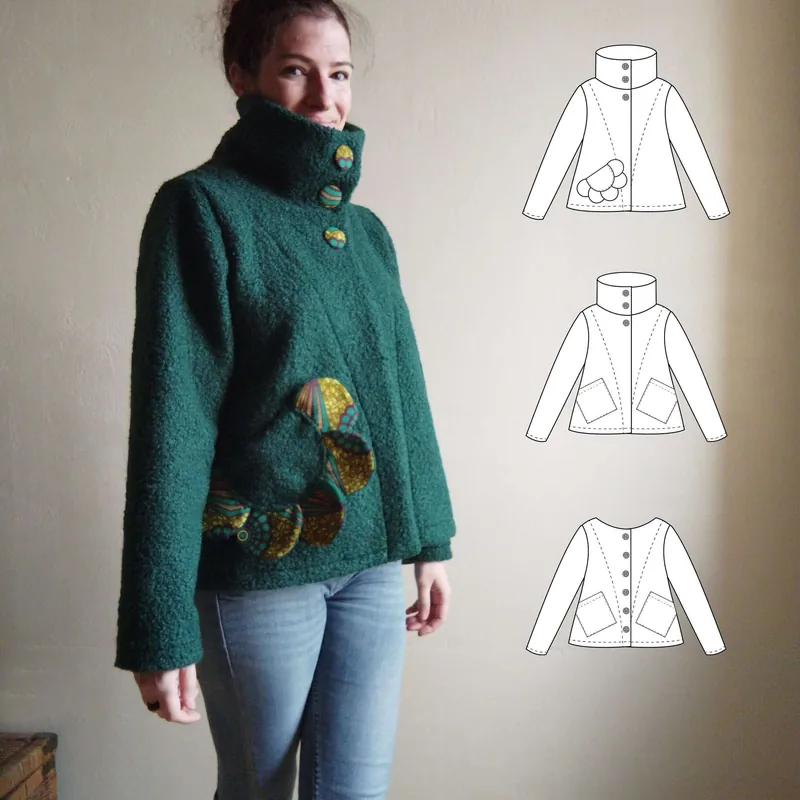
Camur jacket, sizes 32 to 60
-

Cannelle – the checked jumper
-

Cérès shepherd’s cardigan
-

Chambarand trousers – PDF pattern for children aged 12 months to 14 years
-

Châtaigne – the jumper with 32 versions
-

Christmas stocking advent calendar
-

Christmas stocking, 2 sizes
-

Cranberry – the T-shirt for the whole family
-

Diabolo Mint Pyjamas / Pyjama Shorts
-

Framboise – the perfecto
-

Grenade – the adjustable leggings and shorts
-

Griottes – high-top (or low-top) booties
-

Hanging Christmas elf – Séraphin
-

Ibaia skirt PDF pattern, sizes 32 to 52 (3 lengths)
-

Ibis bomber jackets, sizes 32 to 52
-

La Captivante Cape – one size fits all
-

Livarot sweatshirt – family pack (from 6 months to 14 years & sizes 34 to 54)
-

Livarot sweatshirt for adults, sizes 34 to 54
-

Mapulin sweatshirt dress PDF pattern, sizes 32 to 60
-

Men’s S-size sweatshirt
-

Milda coat in 15 sizes from 30 to 58
-

Mittens in 3 sizes
-

Niki sweatshirt – children’s
-

Niki sweatshirt – women’s
-

PDF pattern for a blueberry-coloured shirt-style blouse dress, sizes 34 to 56
-

PDF pattern for blueberry dungarees for babies, children and women
-

PDF pattern for Macadamia hooded zip-up jumper/jacket
-

PDF pattern for the Airelle blouse dress for babies / children / women
-

PDF pattern for the Eolya long skirt, sizes 32 to 52
-

PDF pattern for the Glynis dress or blouse, sizes 32 to 60
-

PDF sewing pattern for a ruffled skirt – Merise – for babies, children and women
-

PDF sewing pattern for the Margotte fitted blouse dress, sizes 32 to 56
-

Rigotte trousers – women’s PDF pattern, sizes 34 to 54
-

Rigotte Trousers Pack – Children & Women, sizes 12 months to 54
-

Scarf with sleeves – Baie Rose
-

Shawl with pockets – Angélique
-

Suri trousers, sizes 30 to 58
-

The hooded snood
-

The Rollot children’s sweatshirt
-

Tote bag, 3 sizes – wild strawberry
-

Unisex sweatshirt, XS to 3XL, 2 body types – Kiwi
-

Unisex sweatshirt, XS to 4XL, 2 body types – aniseed
-

VERNA hooded sweatshirt, sizes 30 to 58
-

Women’s cardigan, sizes 34 to 56, 4 body types – Jasmin
Winter sewing patterns: making warm clothes as fabrics get thicker
Sewing patterns for winter don’t work in the same way as summer projects. A boiled wool coat at 500 g/m² or a nylon puffer jacket with synthetic padding require precise adjustments: a minimum 90/14 needle for thick fabrics, 1.5 cm seam allowances, and a Teflon or roller presser foot to prevent the fabric from snagging. This collection covers the entire cold season, from structured women’s coats to quick-to-sew fleece hats, as well as sleeveless puffer jackets, fleece jumpers and accessories for the whole family.
Choosing the right weight of fabric before starting a winter coat or jacket pattern
Boiled wool is the go-to fabric for DIY coat patterns. At 400 g/m², it’s suitable for mid-seasons with temperatures around 5 to 10°C. At 600 g/m², it can withstand temperatures down to 0°C without a lining. Its practical advantage is that it doesn’t fray, so there’s no need for overlocking or special edge finishing. It’s the most forgiving fabric for a first coat.
Softshell (a 3-layer fabric with an integrated waterproof membrane) is more technically challenging to assemble but produces waterproof and breathable results without the need for a lining. It is suitable for patterns for homemade outdoor jackets and windbreakers. Sherpa and 300 g/m² fleece are best used as linings or for intermediate garments: waistcoats, unstructured jackets, and boot linings. For jumpers and sweatshirts, embossed fleece weighing between 280 and 320 g/m² remains the standard.
Structured coats, down jackets and waistcoats: what each pattern requires technically
A pattern for a lined coat involves two separate assemblies: the outer body in wool or gabardine, and the lining in satin or lightweight polyester, joined at the end of the sewing process by a blind stitch along the hem. The buttonhole facings must be fused to ensure they hold up over time. Allow between 8 and 15 hours for an adult coat with pockets and a belt, depending on your skill level.
The down jacket follows a different approach: lightweight nylon fabric weighing 20 to 30 g/m², a fine 70/10 or 75/11 needle, and compartments sewn before being filled with polyester fibres or synthetic down. The main challenge is ensuring the evenness of the baffles and managing the seams on slippery fabric. A sleeveless down jacket is a good place to start before tackling a full-length, long-sleeved version.
Snood hat and tube scarf: your first winter projects in fleece
A 200 g/m² fleece hat can be sewn in 30 to 45 minutes using 50 cm of fabric. An adult snood requires around 70 cm, a child’s snood 50 cm. These projects also help you check your machine settings for thick fabric before tackling a coat: thread tension, stitch length, and how the fabric behaves under the presser foot. It’s better to test on a hat made from €2 worth of fabric than on a €30 woollen coat.
PDF and A0 formats for winter sewing patterns: how to choose
The winter PDF patterns are available in two formats. The A4 version can be printed at home and glued together sheet by sheet, which takes between 20 and 45 minutes depending on the complexity of the pattern. The A0 version is printed as a single sheet at a print shop or a blueprint service, costing between €2 and €4 depending on the town. For an adult coat with 12 to 18 pieces, the A0 format saves time. Sizes vary depending on the designer: from 34 to 54 for adults, and from 3 months to 14 years for children. Seam allowances are sometimes included and sometimes not; check each pattern sheet before tracing.
Winter sewing patterns for children: what you need to know before you start sewing
Children’s coats and puffer jackets generally include 6 to 8 cm of extra ease across the chest and arms to allow for movement. Buttons smaller than 2 cm should be avoided for children under 3 years old. Opt for press studs, separable zips or Velcro fastenings instead. The finishes must withstand frequent washing at 40°C: flat-felled or overlocked seams, and cotton-elastane ribbing rather than pure acrylic, which pills quickly. For designs with a hood and integrated lining, see the children’s jacket patterns.
How to choose a winter pattern based on your skill level and project
How to get started with winter sewing if you’re a beginner?
Start with a fleece hat or snood, then move on to a sleeveless cardigan before tackling a coat. Each step introduces a new technique (sewing on thick fabric, adding a lining, a detachable fastening) without asking you to do everything at once.
What’s the difference between a fitted coat pattern and an oversized coat pattern?
A fitted coat requires a sturdy fabric (boiled wool, gabardine, tweed) and fusible interfacing on the facings to ensure the shape holds up over time. An oversized coat works better with drapey fabrics and allows for more leeway when cutting out the pieces. For a first coat, an oversized style is much more forgiving.
Do you need an overlocker to sew winter clothes?
No, not for boiled wool and non-woven fabrics: the edges do not fray when cut. For fleece and thick jersey, an overlocker improves the durability of the seams, but the zigzag stitch on a standard sewing machine is sufficient to start with and produces neat results on these fabrics.
Can you sew a down jacket with a standard domestic sewing machine?
Yes, provided you choose a fine needle (70/10 or 75/11) to avoid leaving permanent marks on the nylon, and ensure the padding in each compartment is no more than 30 to 40 mm thick. A standard machine can easily handle a down jacket made from lightweight synthetic fibres.
Which fabrics should be avoided when making a winter coat pattern?
Thick denim and unbleached cotton canvas should be avoided: they do not provide insulation and add weight without keeping you warm. Classic velvet (not ribbed) is not stable enough for structured features such as facings or collars. Thin faux leather may seem warm but it is not breathable and makes the coat uncomfortable as soon as you enter a heated room.
-
Women’s PDF Patterns
Women’s PDF Patterns
Women’s PDF Pattern
Women’s Blouses
Women’s Jumpsuits
Women’s Skirts
Lingerie
Women’s Coats
Women’s Trousers
Women’s Pyjama Patterns
Jumpsuits/Dungarees
Women’s Dresses
Underwear
Women’s Sweatshirts
Women’s Tops / T-Shirts
Women’s Jackets
Women’s Accessories
Free PDF Patterns
Children’s PDF Patterns
Newborn
Children’s Blouses
Children’s Skirts
Children’s Trousers
Children’s Pyjamas
Children’s Coats
Children’s Dresses
Children’s Sweatshirts
Children’s T-shirts
Children’s Jackets
Children’s Accessories
Fancy dress
Free PDF Patterns
Atelier Adriette
Capacha
Like a Flower
Fée Main Patterns
Fitiyoo
Instinct Couture
Kandix
Klafoutis
Lab Zéro
Jojo’s Dad
The Bosses
Lilikou
Loumajinne Creations
Mango-Chocolate
Maya Patterns
Miss Cactus
I Sew
Vestiaire Éponyme
- Submit your designs
-
Women’s PDF patterns
-
Women’s PDF Patterns
-
Women’s Blouses
-
Women’s Jumpsuits
-
Women’s Skirts
-
Lingerie
-
Women’s Coats
-
Women’s Trousers
-
Women’s Pyjama Patterns
-
Jumpsuits/Dungarees
-
Women’s Dresses
-
Underwear
-
Women’s Sweatshirts
-
Women’s Tops / T-Shirts
-
Women’s Jackets
-
Women’s Accessories
-
Free PDF Patterns
-