
Autumn sewing patterns
Showing all 48 results
-

Amande: the bomber jacket
-

Baby and children’s leggings
-

Beira hood for teens, women & men
-

Beira Kids Hood, ages 2 to 12
-

Cacahuete – the adjustable jumpsuit for indoors or outdoors
-

Cannelle – the checked jumper
-

Cardigan – S/XXL – James
-

Cérès shepherd’s cardigan
-

Châtaigne – the jumper with 32 versions
-

Classic shirt from XS to XL – Harvey
-

Coat – XS to L – Fluffy Love
-

Corset in sizes XS to L – Carmen
-

Cosmos jacket
-

Duo nat – hipster briefs for women (34–54) and girls (2–16 years)
-

Framboise – the perfecto
-

Grenade – the adjustable leggings and shorts
-

Griottes – high-top (or low-top) booties
-

Ibis bomber jackets, sizes 32 to 52
-

Ibis Kids Bomber Jackets, ages 2 to 12
-

Isatis blazer, sizes 32 to 52
-

Jade coat and jacket
-

Jumpsuit from XXS to XXL – Lady Attitude
-
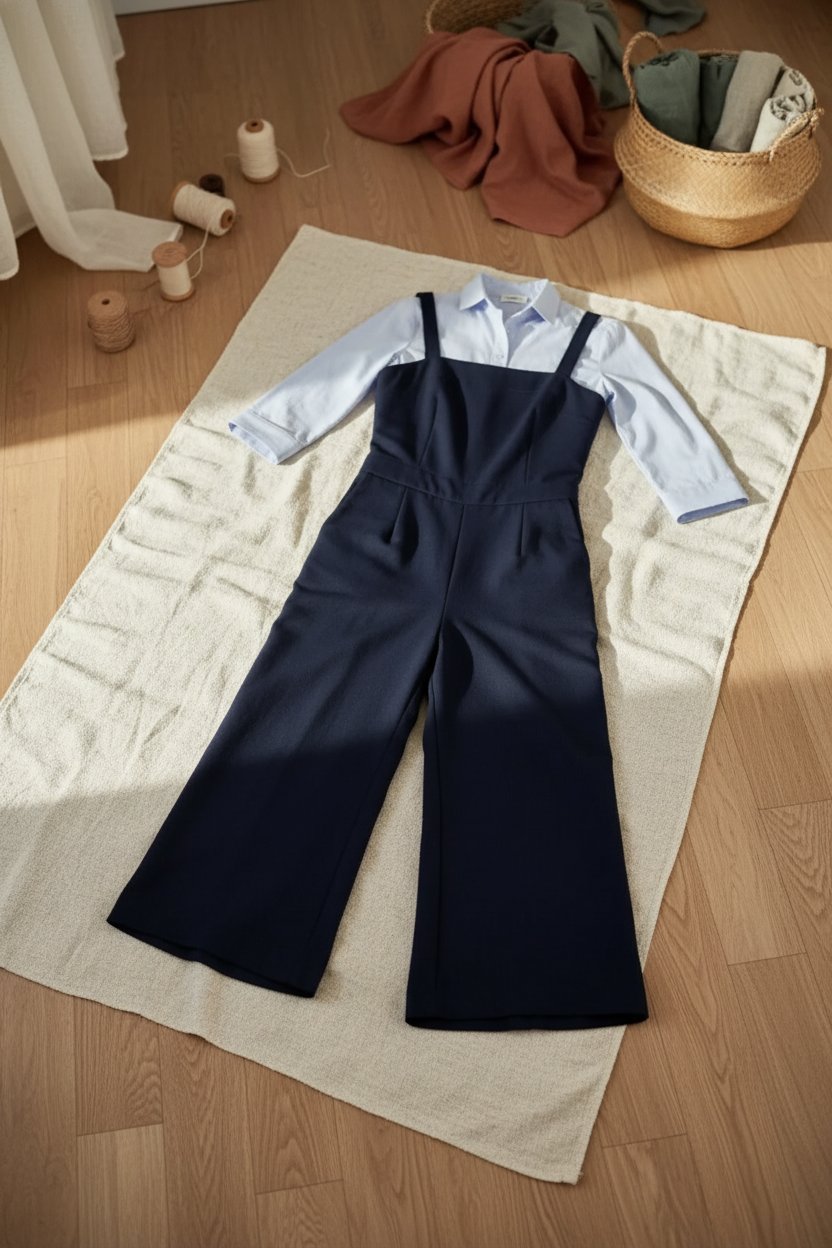
Jumpsuit in sizes XS to XL – Lady Moderna
-

Kezia – Unisex sleeveless puffer jacket for adults, sizes XS to XXXL
-

La Captivante Cape – one size fits all
-

Leggings fit
-

Milda coat in 15 sizes from 30 to 58
-

Mini-nat – hipster knickers for girls aged 2 to 16
-

Mini-Sherpa – unisex fleece for children aged 2 to 16
-

Orséis blazer, sizes 36 to 50
-

PAPILLOTE jumpsuit / pyjama set
-

Phoenix bomber jackets
-

Roquefort Shepherd’s Cardigan – PDF pattern for children aged 6 months to 14 years
-

Scarf with sleeves – Baie Rose
-

Shawl with pockets – Angélique
-

Sherpa-fleece duo for adults (XS–XXXL) and children (aged 2–16)
-

Songe nightdress
-

The ‘Sweat Dreams’ jumper for ages 6 months to 6 years
-

The Belam blouse or dress, sizes 32 to 52
-

The Belval blouse in 11 sizes
-

The City skirt, sizes 32 to 48
-

The Lory jacket, sizes 32 to 52
-

The Rollot children’s sweatshirt
-

The Vinka cardigan, sizes 32 to 52
-

Titus sweatshirt set for adults (XS–XXXL) and children (2–16 years)
-

Turner cape
-

Vampire cape for Halloween
-

Women’s cardigan, sizes 34 to 56, 4 body types – Jasmin
Autumn patterns: cut and layer according to actual temperature variations
When it comes to autumn sewing, it’s all about fabric weights. Between mid-September and November, the daily temperature range exceeds 10 to 15°C in most regions of France. No single garment can cover this range adequately. The autumn patterns that work best are those designed for layering: a double-gauze blouse at 140 g/m² worn on its own at 18°C at midday, paired with a flannel jacket at 8°C in the evening. It is this principle that guides the choice of designs in this collection.
Choosing your autumn fabric: the weights that really matter
Vague recommendations such as ‘warm fabric’ are not enough when making a purchase. Each type of garment has its own specific requirements.
For jackets and light coats, wool flannel at 300–400 g/m² offers reliable warmth without excessive stiffness. Tweed (400–600 g/m²) is stiffer straight off the roll and requires light interlining for collars and facings. Gabardine at 200–280 g/m² is best suited to mid-season coats: it is naturally water-repellent if the composition is more than 70% wool or tightly woven polyester. These three fabrics require an iron set to a maximum of 150–160°C with a damp cloth for the seams.
For blouses and midi dresses worn underneath, double gauze weighing 130–140 g/m² is underrated. It provides warmth through the accumulation of air between the layers and layers well without feeling stiff. Viscose twill at 120–160 g/m² drapes well under a jacket and doesn’t cling. Avoid viscose crepe for garments worn with a lining: it slips during cutting and stretches at the seams if not basted.
For cosy garments, French terry at 280–320 g/m² produces a very different result from a fine summer jersey. Below 250 g/m², fleece does not hold its shape well at the armholes after a few washes. Brushed fleece (350–450 g/m²) is warmer but requires a roller foot or a Teflon foot for the seams; otherwise, the two layers will slip together under the needle.
Read your PDF pattern before placing the pieces on the fabric
A detail that many overlook: the print format makes all the difference. A PDF pattern in A0 format can be printed on a single sheet at a print shop for around 2 euros. The A4 multi-sheet format means you have to tape 30 to 60 sheets together, which can cause misalignments if the work isn’t done precisely. For a coat pattern with yokes, an error of 2 mm per seam, multiplied by 15 seams, results in a cumulative discrepancy of 3 cm along the length.
Before cutting, always print at 100% — never ‘fit to page’ — then measure the test square indicated on the pattern, usually 10 x 10 cm. A deviation of 0.5 cm on this square represents a 5% error across the entire garment, or 1.5 cm on a 30 cm sleeve. Also check whether the seam allowances are included: 1 cm or 1.5 cm depending on the designer; these are not interchangeable, and having to redo all the seams as you go takes more time than checking beforehand.
Sewing level: what this actually means on an autumn pattern
The ‘beginner / intermediate / advanced’ labels vary from one brand to another. A pattern with no lining, no darts, no attached collar and no button fastening can be completed in 3 to 5 hours, depending on your sewing speed and the fabric. This is the case for many ribbed velvet skirts or round-neck blouses. Adding a full lining always adds a further 2 to 3 hours, plus the time needed to press the seams flat. A tailored collar on a coat takes about ten attempts to master: it’s a skill in its own right, not just another step on the same learning curve.
For beginners sewing their first autumn jacket, fusible interfacing is a game-changer. It stabilises lightweight fabrics in high-stress areas (armholes, buttonholes) and makes it easier to correct mistakes. Without it, even an experienced seamstress struggles with untreated tweed.
Frequently asked questions about autumn patterns
What’s the difference between a coat pattern and a long autumn jacket pattern?
Technically speaking, the difference lies in the lining, interfacing and finishing. A coat is usually lined, interfaced at the facings and requires flat-felling of the shoulders before the sleeves are attached. A long jacket can be finished with an overlock stitch if the fabric does not fray. Length alone does not determine the level of difficulty: some long tweed jackets are more complex than straight-cut gabardine coats.
Can you sew an autumn skirt pattern in short-pile velvet without specialised equipment?
Yes, provided you take two precautions. Short-pile velvet weighing 200–250 g/m² cuts like a standard fabric, but the nap must run in the same direction on all cut pieces: a skirt with a piece sewn the wrong way round is immediately visible when held up to the light at an angle. Use long-headed pins so as not to flatten the pile during assembly, and sew with the grain, not against it. No special presser foot is required for velour.
How can you adapt a mid-length autumn dress pattern to your body shape without redrawing it?
Most common alterations are made at two points: the bust height (between the neckline and the tip of the dart) and the shoulder width. An adjustment of 1.5 cm to the shoulder width does not alter the overall fit. However, lengthening or shortening a dress requires you to recalculate the position of the pockets if they are separate pieces. Patterns with marked alteration lines simplify this task: look for the arrows labelled ‘lengthen/shorten here’ before you begin.
Complete your handmade autumn wardrobe
For chilly days when a jacket isn’t enough, women’s jumper patterns provide a solid base to layer under a coat or wear on their own on rainy days. Women’s accessories (snoods, hats, sew-on belts) can be made in 1 to 2 hours and are a great way to use up fabric offcuts. For seamstresses who also make clothes for their children, children’s coats and children’s jackets use the same fabrics and techniques, with fewer centimetres to sew together. Designers such as Atelier Adriette, Instinct Couture or Les Patronnes offer autumn patterns tested on thick fabrics, with instructions that address common issues when working with fleece and woollen fabrics.
- Women’s PDF Patterns
- Women’s Blouses
- Women’s Jumpsuits
- Women’s Skirts
- Lingerie
- Women’s Coats
- Women’s Trousers
- Women’s Pyjama Patterns
- Jumpsuits/Dungarees
- Women’s Dresses
- Underwear
- Women’s Sweatshirts
- Women’s Tops / T-Shirts
- Women’s Jackets
- Women’s Accessories
- Free PDF Patterns
- Children’s PDF Patterns
- Newborn
- Children’s Blouses
- Children’s Skirts
- Children’s Trousers
- Children’s Pyjamas
- Children’s Coats
- Children’s Dresses
- Children’s Sweatshirts
- Children’s T-shirts
- Children’s Jackets
- Children’s Accessories
- Fancy dress costumes
- Men’s PDF Patterns
- Men’s Coats
- Men’s Sweatshirts
- Men’s T-shirts
- Men’s Accessories
- Atelier Adriette
- Capacha
- Comme une Fleur
- Fée Main Patterns
- Fitiyoo
- Instinct Couture
- Kandix
- Klafoutis
- Lab Zéro
- Le Papa de Jojo
- Les Patronnes
- Lilikou
- Loumajinne Créations
- Mangue-Chocolat
- Maya Patterns
- Miss Cactus
- Moi Je Couds
- Vestiaire Éponyme
- Submit your designs