
Evening wear patterns
Showing all 44 results
-
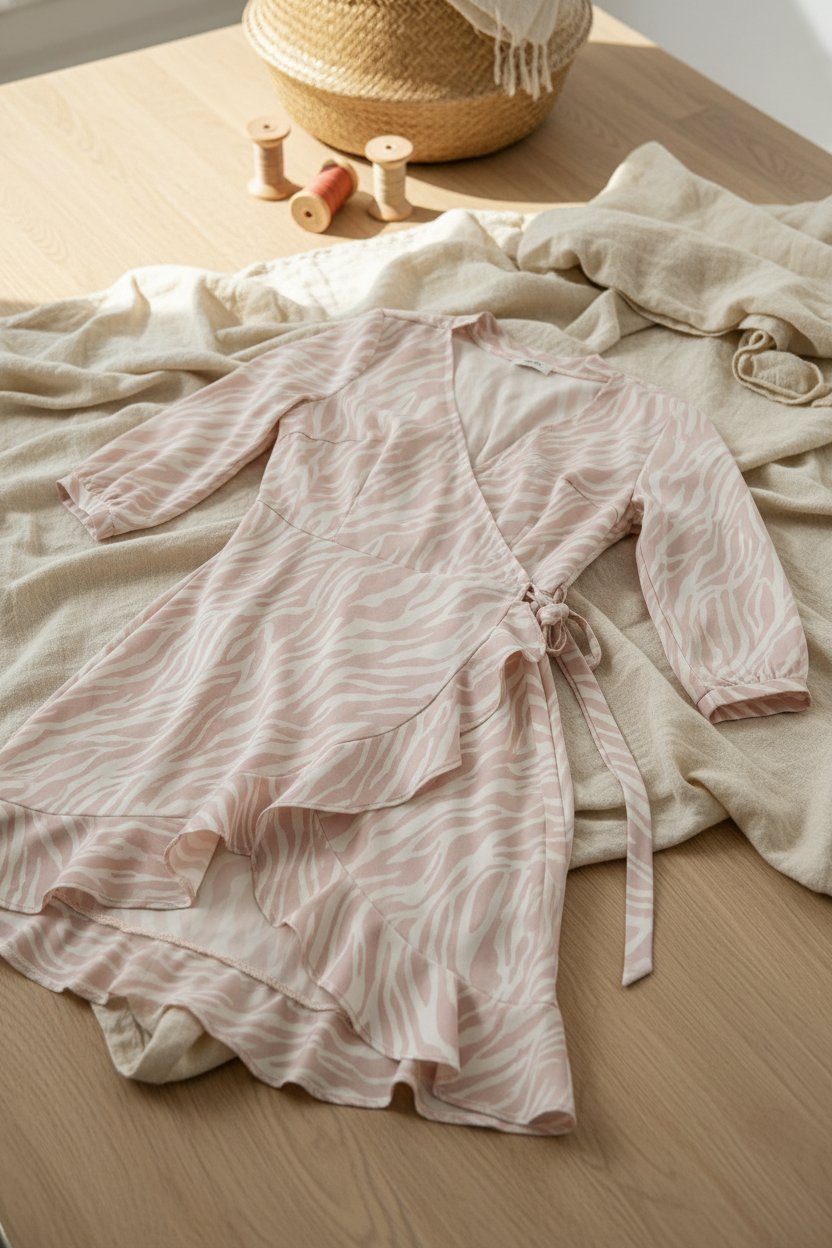
Angelica wrap dress PDF pattern, sizes XS to XL
-

Aphrodite blouse/dress PDF pattern, sizes 32 to 60
-

Aury backless maxi dress PDF pattern, sizes 32 to 46
-

Cara tank top PDF pattern, sizes 32 to 46
-

Cybèle jacket in sizes 36 to 50
-

Dark Laguna maxi dress PDF pattern, sizes XS to L
-

EBENE children’s trousers
-

Fulla blouse PDF pattern, sizes 36 to 50
-

Idunn blouse PDF pattern, sizes 36 to 50
-

Khoros jacket, sizes 36 to 50
-

Lyna formal clutch bag
-

Marjolaine pencil skirt PDF pattern, sizes 34 to 56
-

Nemesis blouse PDF pattern, sizes 36 to 50
-

Nephtys trouser/shorts jumpsuit PDF pattern, sizes 36 to 50
-

Ostara wrap dress PDF pattern, sizes 36 to 50
-

PDF pattern for a blueberry-coloured shirt-style blouse dress, sizes 34 to 56
-

PDF pattern for an elegant strapless dress, sizes XS to L
-
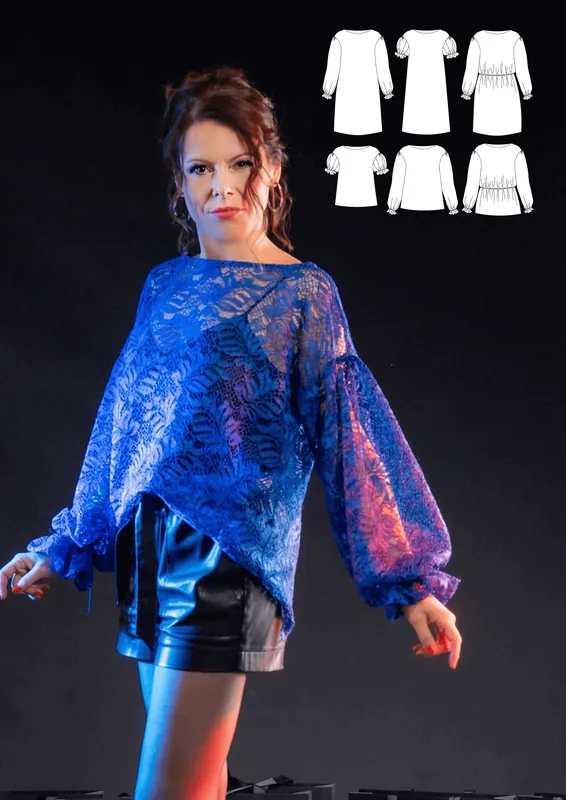
PDF pattern for Daumesnil dress/top, sizes 34 to 48
-

PDF pattern for the ‘Clé du Succès’ strappy dress, sizes XS to XL
-

PDF pattern for the ‘La Coquette’ short dress, sizes 34 to 48
-

PDF pattern for the Abstractica straight-cut strapless dress, sizes XXS to XXL
-

PDF pattern for the Aédé long buttoned dress, sizes 36 to 50
-

PDF pattern for the Astéria long slit skirt, sizes 36 to 50
-

PDF pattern for the Capucine short jersey dress, sizes 34 to 56
-

PDF pattern for the Cassiopée short dress, sizes 36 to 50
-

PDF pattern for the Dark Star mini dress, sizes XXS to L
-

PDF pattern for the DELPHINIUM long-sleeved dress, sizes XS to XL
-

PDF pattern for the Dysis maxi dress, sizes 36 to 50
-

PDF pattern for the elegant Vanilla Cream dress, sizes XS to XL
-

PDF pattern for the FAYA vintage dress, sizes 30 to 58
-

PDF pattern for the Gala Apple maxi dress, sizes 34 to 56
-

PDF pattern for the Lili midi dress, sizes 30 to 58
-

PDF pattern for the Olga maxi dress, sizes 30 to 58
-

PDF pattern for the Perséis top, sizes 36 to 50
-

PDF pattern for the Sol blouse, sizes 36 to 50
-

PDF pattern for the Thémis straight dress, sizes 36 to 50
-

PDF pattern for the Thoé long summer dress, sizes 36 to 50
-

PDF sewing pattern for the Black Swan long evening dress, sizes XS to M
-

PDF sewing pattern for the elegant ‘Walk and Shine’ maxi dress, sizes XS to XL
-

PDF sewing pattern for the elegant Sirena maxi dress, sizes XXS to XL
-

PDF sewing pattern for the Zoya women’s dress, sizes XXS to XL
-

Queen Line pencil skirt PDF pattern, sizes XXS to XL
-

Silka long dress PDF pattern, sizes 30 to 58
-

Sparkle short dress PDF pattern, sizes XS to L
Evening wear patterns: understanding the technical aspects before choosing your design
Sewing an evening outfit is not like any other project. Unlike a cotton blouse or canvas trousers, formal wear presents several challenges all at once: slippery or delicate fabrics, bodices fitted to within a few millimetres, and invisible fastenings that leave little room for error. Before selecting a pattern for a long dress or a formal jumpsuit, it’s best to understand what sets these designs apart from your everyday projects.
The first question to ask isn’t “which design?” but “which fabric?”. A draped dress pattern designed for viscose crepe will produce a disappointing result in duchess satin, and vice versa. Crepe holds its shape on its own, effortlessly structuring the silhouette. Flowing satin requires a lining to control the drape and conceal the internal seams. Velvet requires all pieces to be cut with the grain, which increases fabric consumption by 15 to 20 per cent compared to the yardage indicated on the pattern. These constraints are explicitly stated in our pattern instructions.
What makes evening dress patterns technically challenging
Fitted bodice for an evening dress: calico muslin is essential
Strapless dresses, boat necklines or boned bodices leave no room for improvisation. A 2 cm difference in bust measurement on a fitted cocktail dress is immediately noticeable. The rule: always sew a calico toile (100 g/m², inexpensive) before touching the main fabric. This test takes an hour’s work and prevents you from wasting 8 to 12 metres of satin at 20–30 €/m. For boned bodices, check that the boning strips are positioned along the seams and not lying flat against the fabric.
Concealed zip on slippery fabric: technique and breaking points
The concealed zip is the standard for evening wear. When fitted to satin or muslin, it requires specific preparation: steam-press the tape whilst slightly open, sew using a dedicated concealed zip foot, and leave a 1 cm seam allowance below the lower stop for a clean transition. On multi-layered tulle, a back fastening with hooks and eyes is preferable, as it distributes the tension across several anchor points rather than just one. Our patterns explicitly state the recommended type of fastening for each design.
Pile fabrics, sheer fabrics, heavy fabrics: three distinct approaches to assembly
Velvet should be sewn right sides together to avoid pressure marks, using a 75/11 stretch needle even on polyester velvet. Muslin and chiffon should be sewn using French seams (two passes at 0.5 cm followed by turning) or a very tight 3-thread overlock stitch. Tulle does not fray but sticks to other fabrics when cut: slipping a sheet of tissue paper under each layer before cutting solves the problem in thirty seconds. These technical points are detailed in the illustrated instruction booklets supplied with each pattern.
Patterns available for sewing evening wear
PDF evening dress patterns: long, midi, cocktail
Formal dresses fall into two main categories. Structured silhouettes (sheath dresses, corseted bustiers, dresses with volume controlled by shaping darts) require a fabric with good body: heavy crepe, thick satin, brocade. Flowing silhouettes (empire-line dresses, draped shoulders, wrap dresses in formal jersey) can be made from lighter fabrics but require particular attention to the drape when cutting. For the former, you should aim for at least an intermediate level of skill. For the latter, a seamstress with 8 to 10 completed projects can tackle them without a preliminary muslin if the pattern is accurately graded.
Patterns for formal jumpsuits and long evening skirts
Formal jumpsuits have a practical advantage that is often overlooked: the top and bottom can be adjusted separately. A size 38 bust and size 42 hips? A jumpsuit allows you to add extra ease to the seam without having to rework the entire pattern. Flowing long skirts in satin or muslin naturally complement a structured formal top and offer an accessible starting point for seamstresses tackling evening wear for the first time, with a making time of 4 to 6 hours compared to 15 to 18 for a long lined dress.
The matching clutch bag: don’t overlook this accessory
A carefully crafted outfit deserves a handmade clutch bag in a matching or complementary fabric. Patterns for formal bags offer designs in silk, velvet or vegan leather, with or without a rigid internal structure. Allow between 2 and 4 hours for a simple lined clutch, and make sure to use a high-quality metal clasp: this is the detail that most often gives away a sloppy finish.
Choose your evening gown pattern according to your skill level and the occasion
For a wedding or formal ceremony, the finish must be flawless. Allow 3 to 4 weeks’ work for a full-length dress with a fitted bodice, full lining and concealed fastening. For a New Year’s Eve party, a crepe jumpsuit or a satin skirt with a dressy top can be made in 10 to 14 hours by an intermediate-level sewer. The main factor isn’t the design, it’s the fabric: the same dress in Milano jersey takes 6 hours, whereas in duchess satin with boning, it takes 18.
- Advanced beginner level (minimum 10 projects): wrap dress in crêpe viscose, long satin skirt with elasticated waistband, dressy jersey jumpsuit without boning
- Intermediate level: structured strapless dress, empire-line dress with draped shoulders, jumpsuit with intricate neckline and concealed fastening
- Advanced level: dress with boning and double lining, multi-layered tulle dress, cocktail dress with cut-outs and complex facings
Frequently asked questions about evening dress patterns
Can you sew an evening dress without any sewing experience?
No, and to suggest otherwise would be doing you a disservice. A successful evening dress requires mastery of curved seams, fitting invisible zips and finishing linings. If you’re a beginner, start with a long, flowing skirt or a simple dressy top; make these pieces using practice fabric, then tackle the full dress once you’ve consolidated these basics. Two or three intermediate projects make all the difference to the final result.
How much fabric do you need for a long evening dress?
For a fitted, slim-cut long dress with no extra width, allow 3 to 4 metres of main fabric (140 cm wide) and 2 to 3 metres of lining. For a dress with a voluminous skirt made from tulle or taffeta, the skirt fabric alone can take up to 6 to 8 metres. For velvet or any fabric with a specific grain, always add 20 per cent to the yardage specified on the pattern sheet.
What is the difference between a cocktail dress pattern and a long dress pattern?
The length differs, but more importantly, so does the construction of the bodice. A formal long dress often includes a separate lining, facings and sometimes boning, which a short cocktail dress does not have. The standard of the internal finish is also different: for a long dress that will be worn all evening, the internal seams must be impeccable as the lining is removed for cleaning. This affects the time taken to make them: allow 8 to 12 hours for a cocktail dress, and 15 to 20 hours for a complete long dress.
Can you use a standard sewing machine for evening wear fabrics?
Yes, with the correct settings. The stitch length should be set to 2 mm for fine fabrics (muslin, chiffon) and 2.5 mm for satin. The needle varies depending on the fabric: Microtex 70/10 for fine woven fabrics, Stretch 75/11 for polyester velvet, and Universal 80/12 for structured satin. A Teflon presser foot is strongly recommended for all slippery fabrics to prevent the layers from feeding unevenly.
Explore our other formalwear collections
To complete your formal wardrobe, our women’s blouses include styles in washable silk and crepe, suitable for semi-formal occasions. The formal jackets allow you to layer over an evening dress without detracting from the outfit. For a family occasion, our children’s dresses offer styles that can be coordinated with adult outfits. And if the project seems too ambitious to tackle on your own, our free PDF patterns allow you to practise basic techniques before investing in quality fabric.